Restoring Hand Function Through Physical AI
We empower people with lost hand function to regain their movement, independence, and quality of life through computer vision and real-time electrical stimulation.
Stay Updated
Be the first to know about our progress, clinical trials, and launch. Join our community of supporters helping restore independence.
The Problem
The pain of physical limitation of stroke survivors
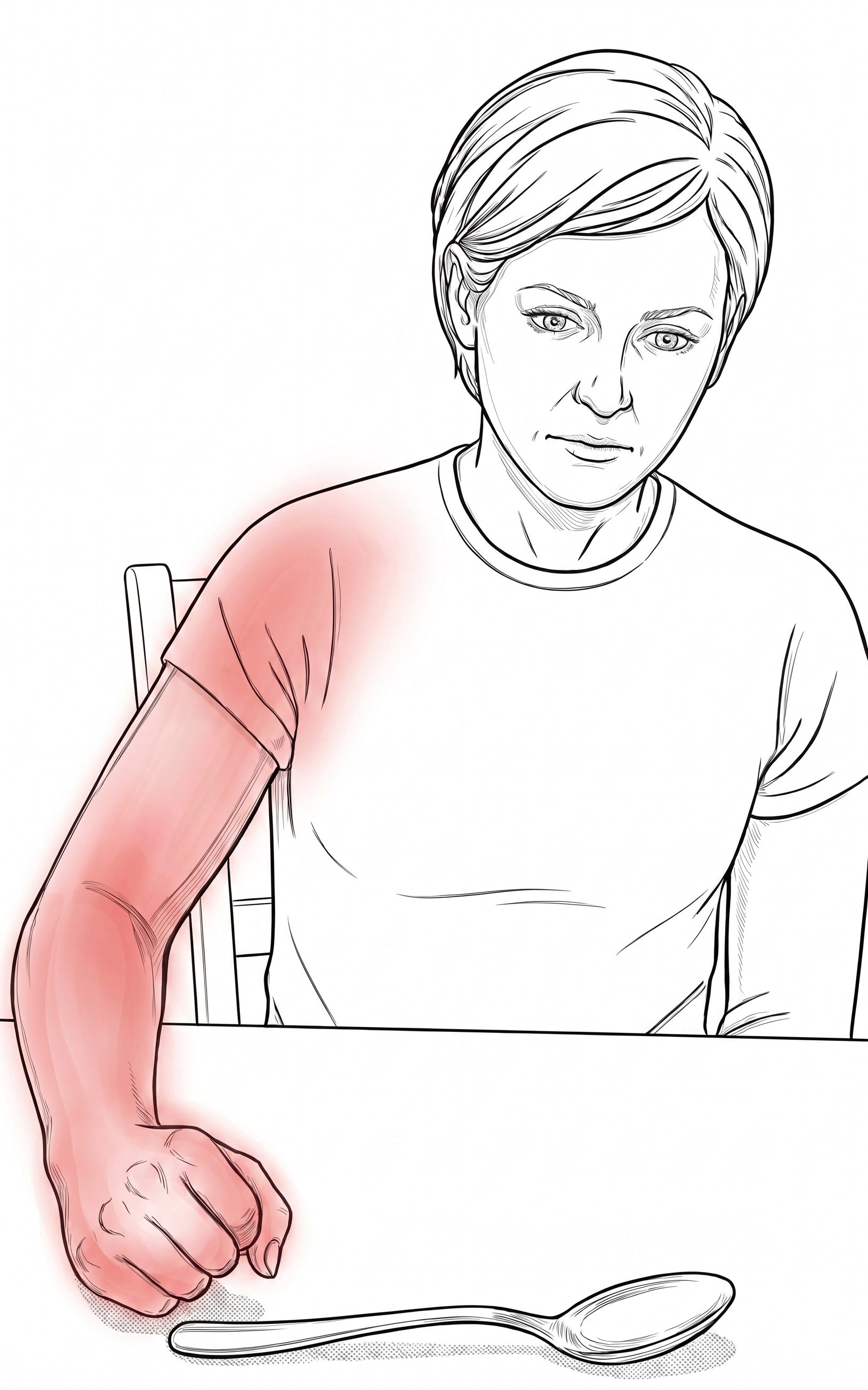
I cannot reach the spoon, how am I supposed to cook and eat?
Typical patient experience after stroke
Hand use is the strongest predictor for reduced quality of life. Simple daily tasks -- cooking, eating, getting dressed -- become impossible. Current rehabilitation tools lack direct environmental perception, leaving patients dependent on caregivers for basic needs.
Adults over 25 will experience a stroke in their lifetime
European survivors currently living with hand paralysis
Annual European cost from productivity loss and healthcare
An assistive system powered by Computer Vision
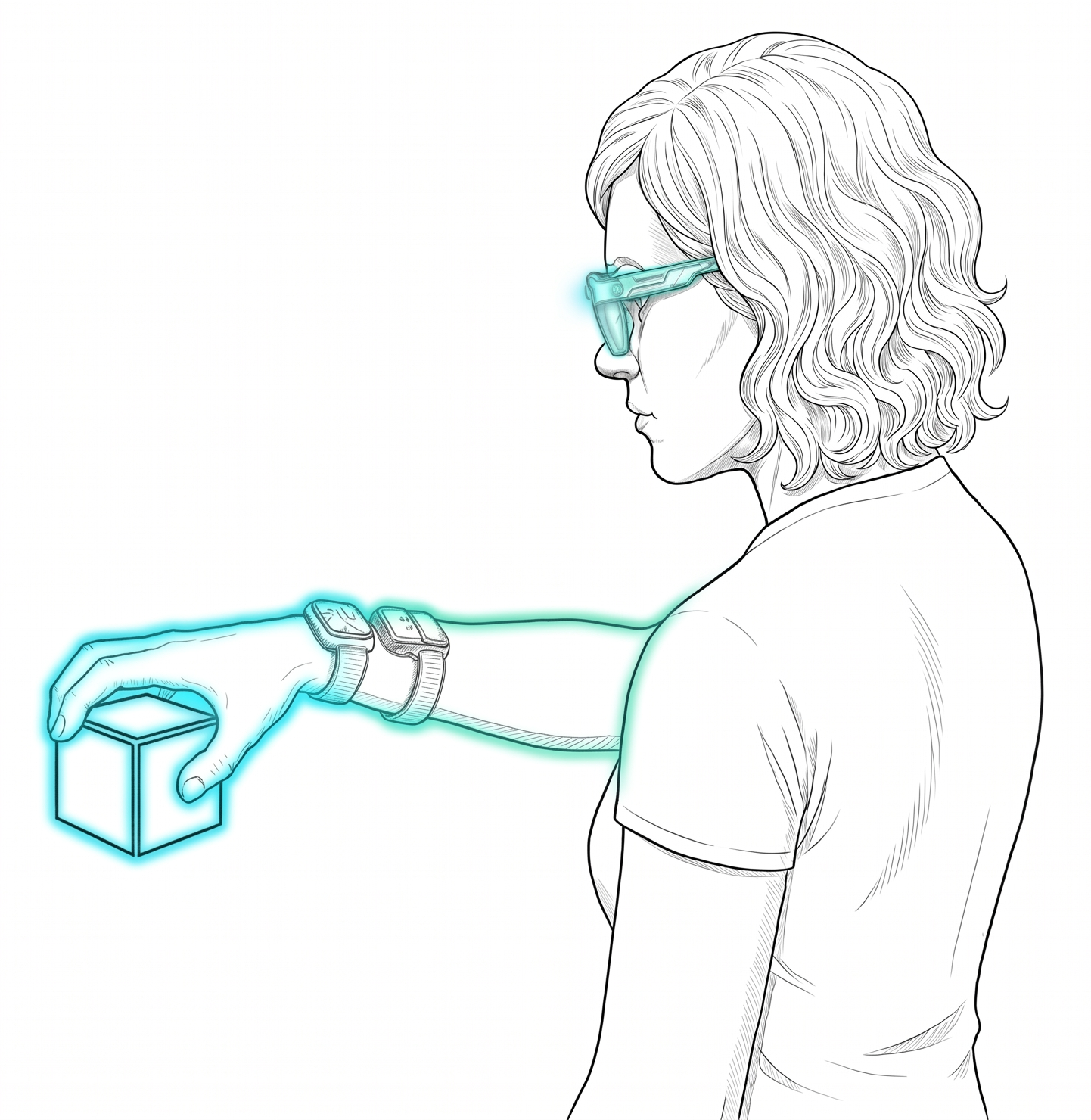
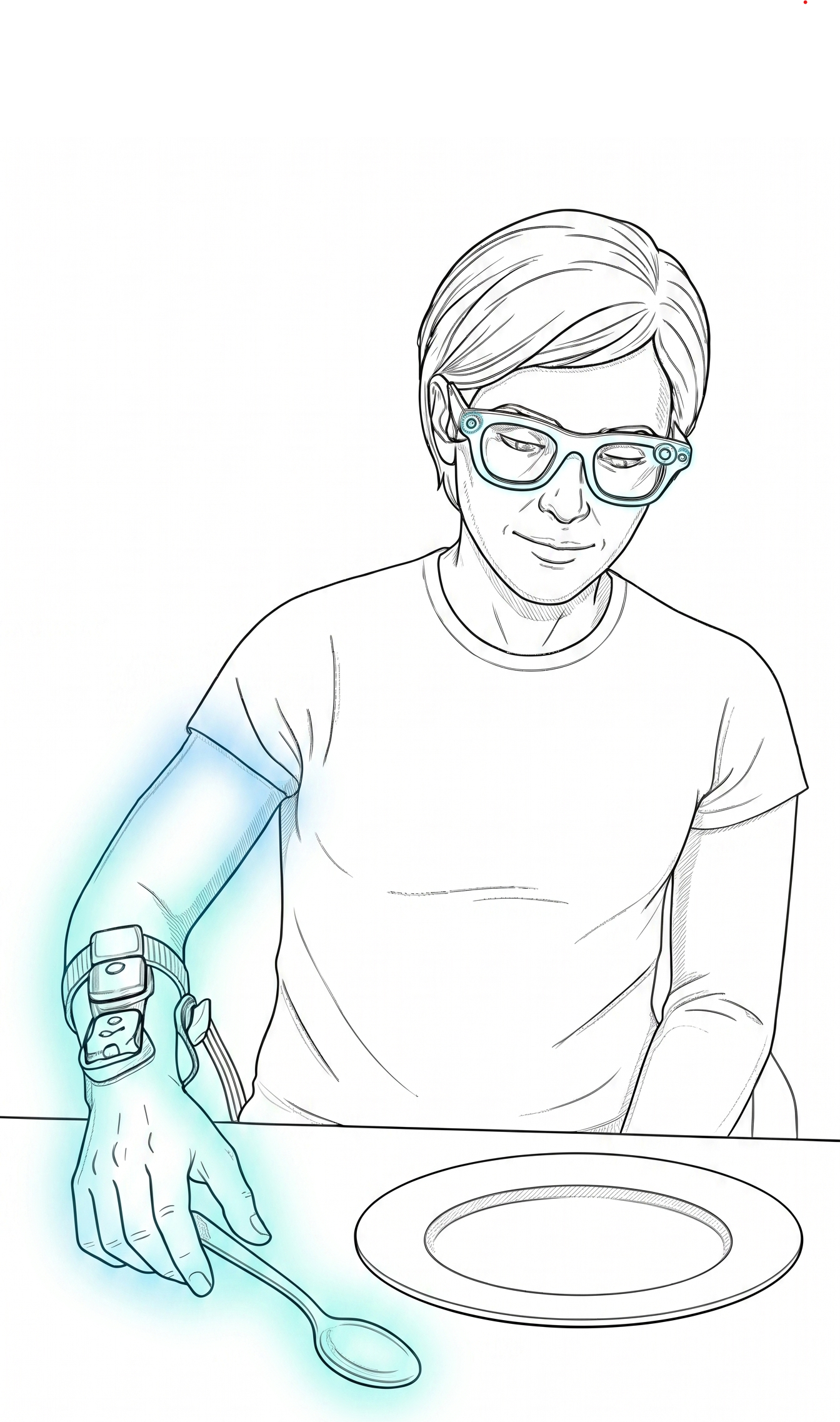
By automating environment perception, our system identifies objects and hands to provide real-time assistance via Functional Electrical Stimulation (FES).
How It Works
Perception
Cameras detect the position of the hand and the target object in real time.
Intelligence
Contextual AI processes grasping intention and calculates the required assistance.
Assistance
Functional Electrical Stimulation (FES) contracts muscles to execute the movement.
A Continuum of Care
Our modular approach bridges the gap between intensive clinical rehabilitation and sustained home-based independence.
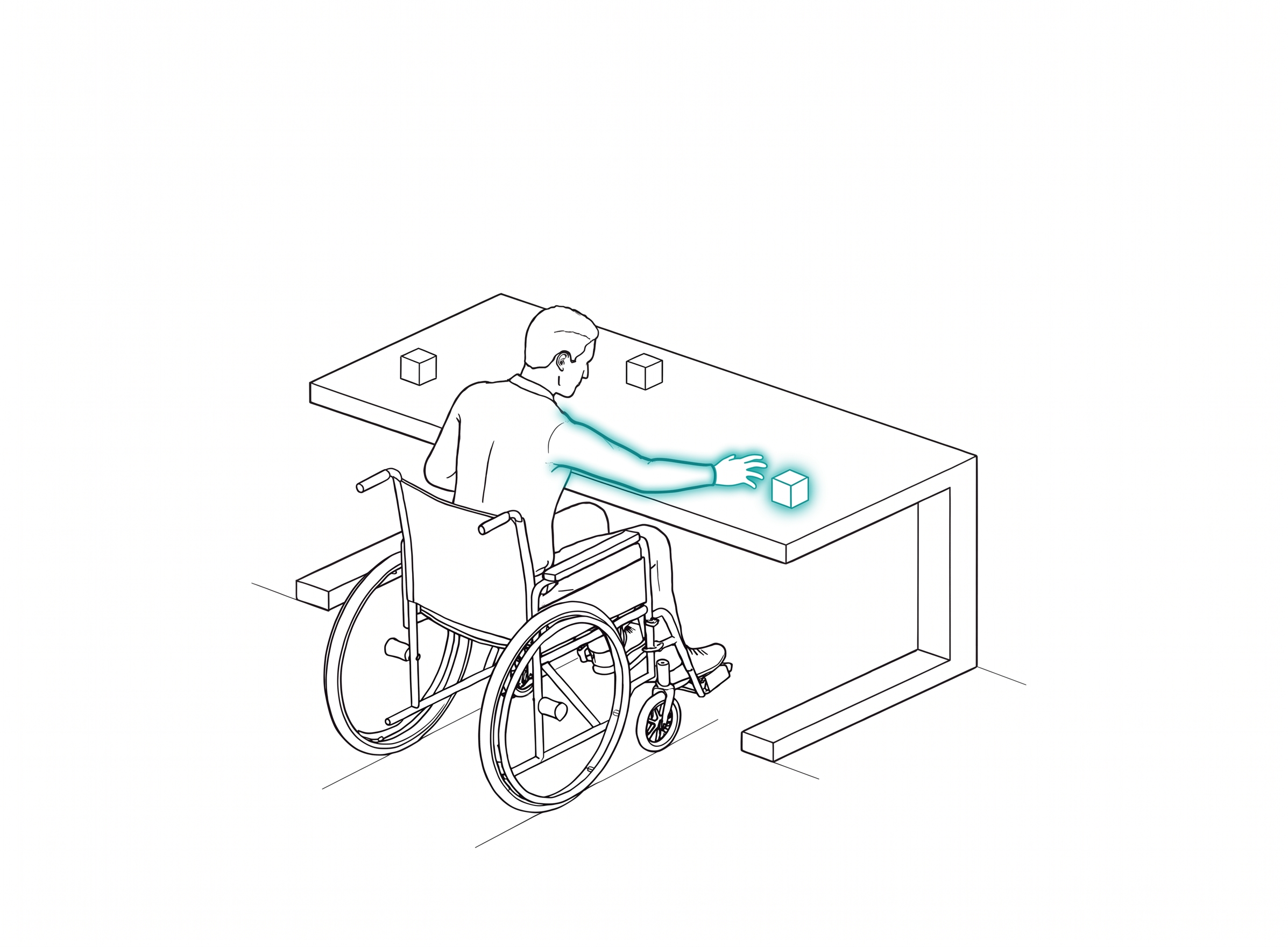
Clinic System: The Foundation
High-precision stationary system captures real-time hand and object movements with sub-millimeter accuracy, delivering immediate assistance through advanced feedback mechanisms.
- Realtime interactive movement Feedback
- Closed-loop FES support
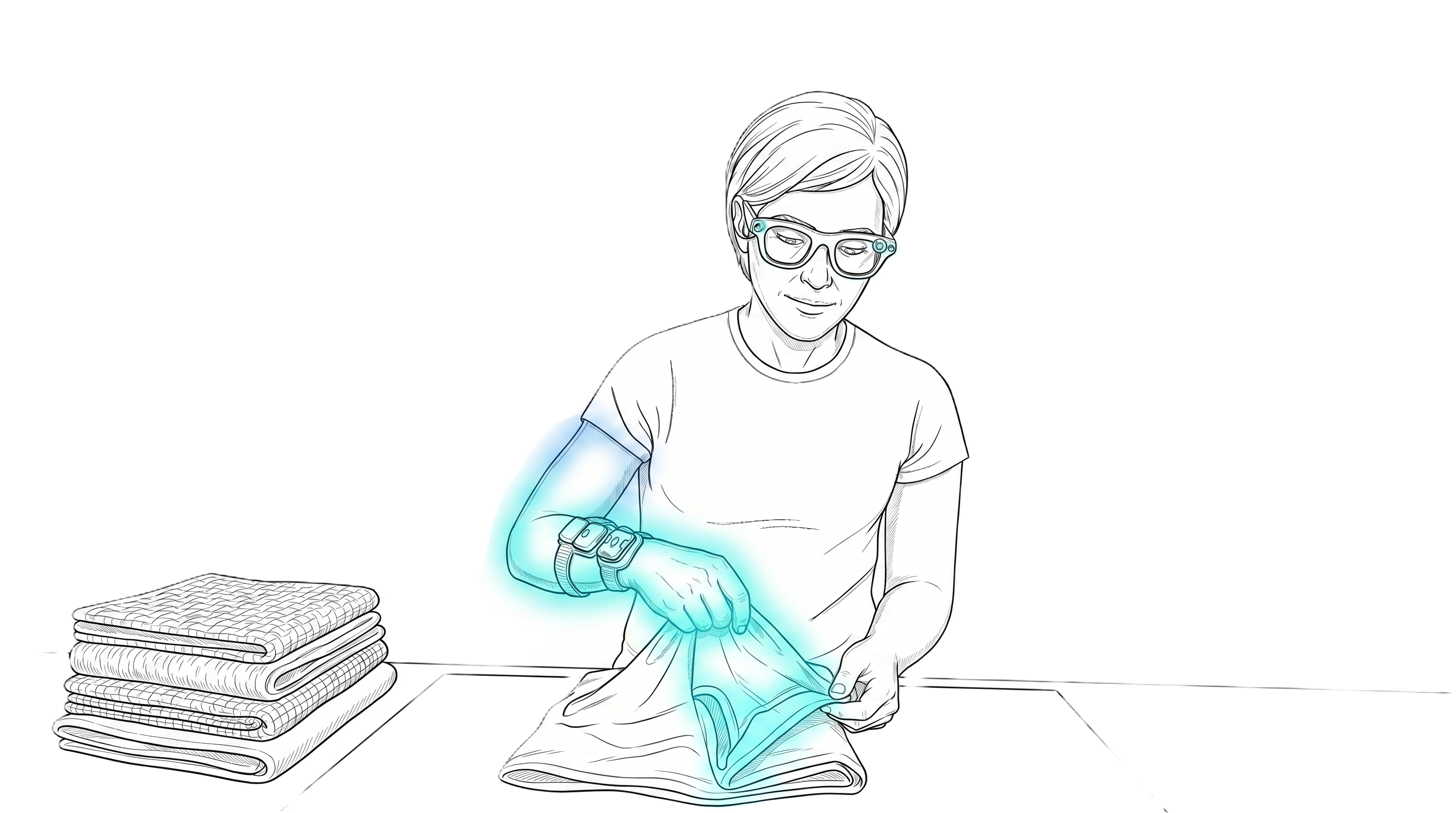
Home Assistive System
Leveraging clinical insights for wearable solutions, enabling real-time ADL assistance in natural home environments.
- Wearable smartglasses + FES
- First-person perspective ADL
The Team
Built by experts in neurorehabilitation and AI

Dominic Boesch
CEO
Occupational Therapist, Neuro-rehab expert. MSc Health Assisting Engineering.
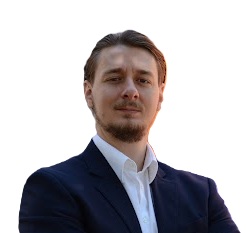
David Kostolani
CTO
HCI Specialist, PhD (Cand.) TU Wien. Lead for Contextual Sensing & AI.
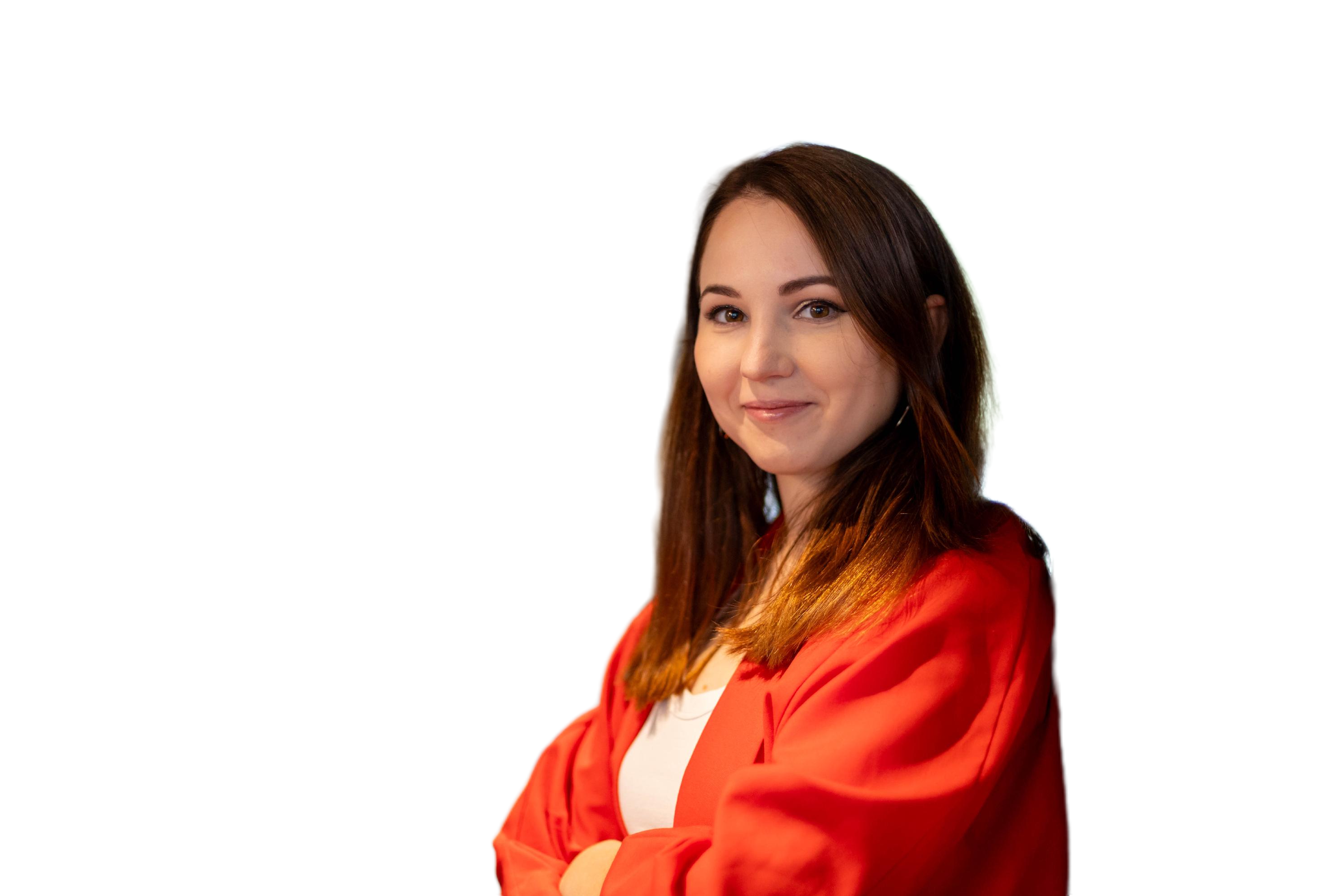
Anna Stubrova
Buissness Development
Business Development & Finance
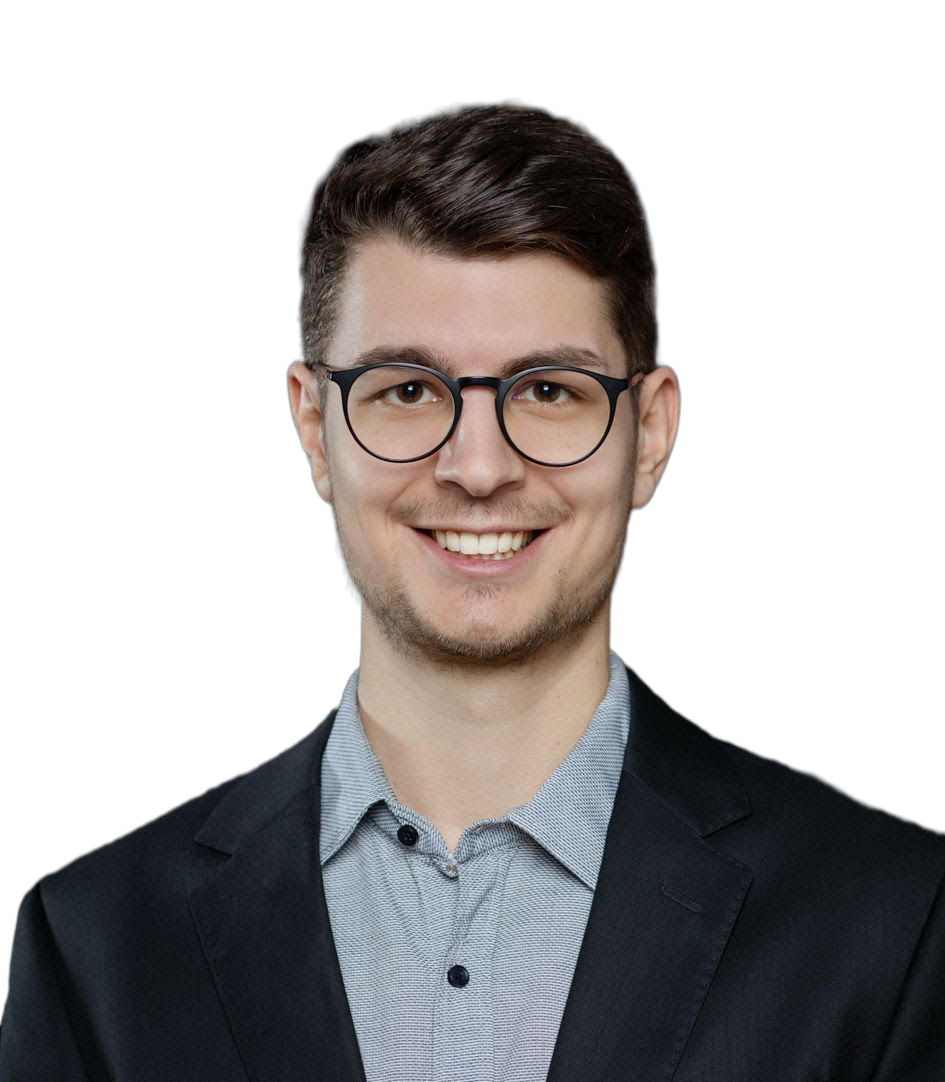
Stefan Schweng
Software Developer
Software engineering

Alexander Grunewald
Mentor Advisor
Industry expert
Paul Kressnik
Advisor
Regulatory compliance
Get in Touch
Have questions about ORAISIS? We'd love to hear from you. Reach out to our team and let's discuss how we can help.